
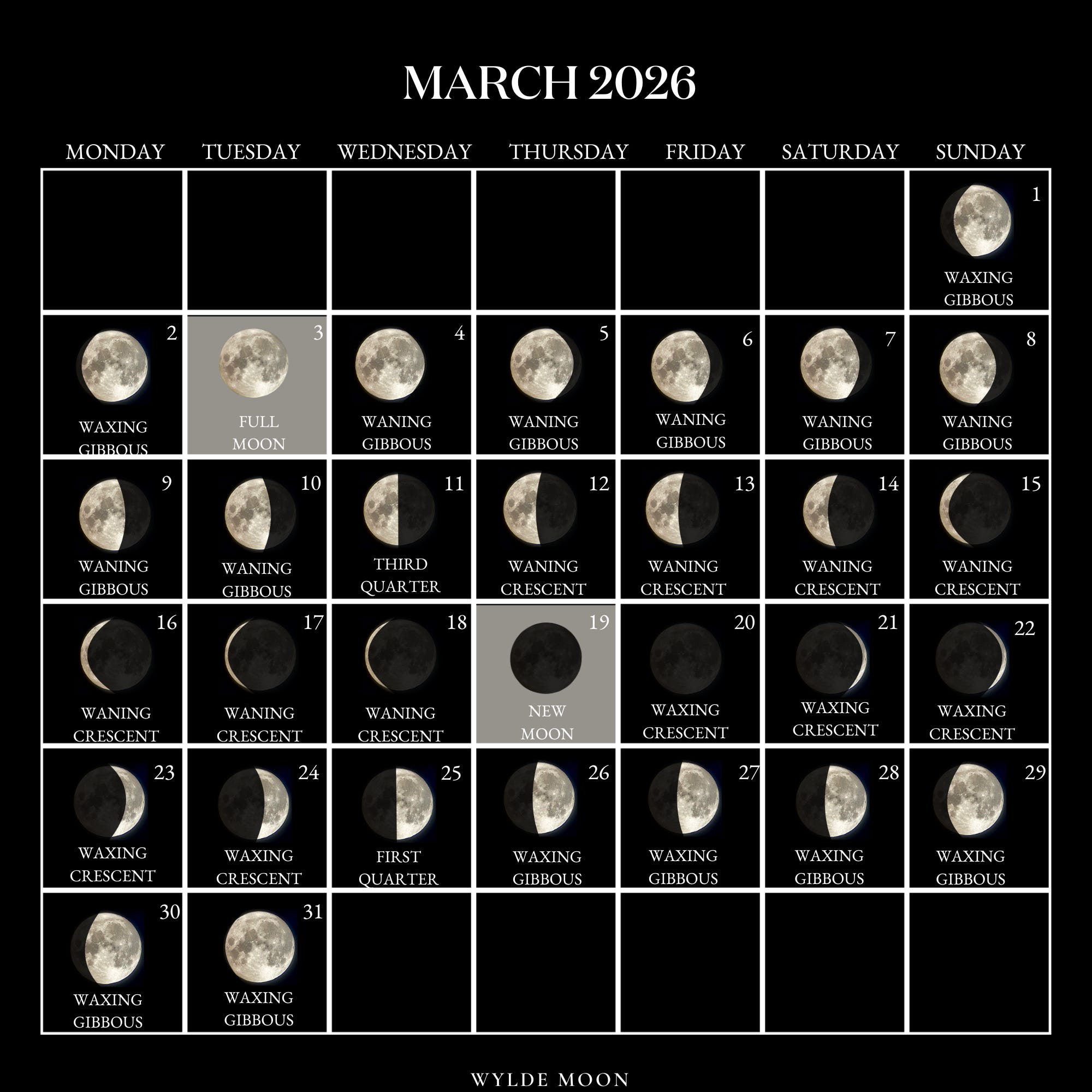
March Moon Cycles
Full Moon, Lunar Eclipse and Spring Equinox and Ostata

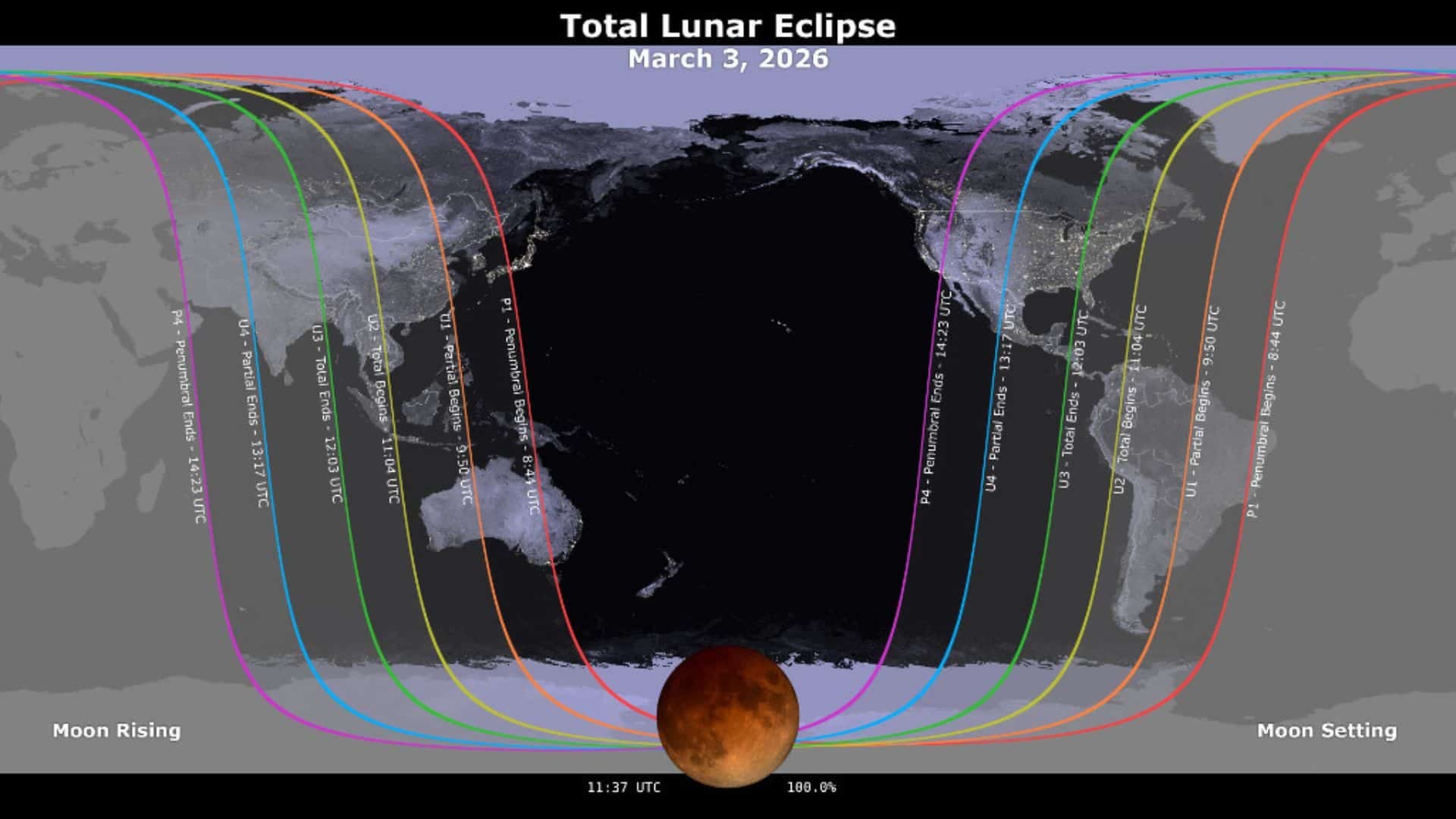
On March 3, billions of people across the Americas, Asia and Oceania will witness a blood moon total lunar eclipse as the sun, Earth and moon align, laying bare the orbital mechanics of the solar system in spectacular fashion.
What to expect during the 'blood moon' total lunar eclipse tonight: Key phases explained
The moment of greatest eclipse will occur on March 3, 2026, at 11:34 UTC (3:34 a.m. PST, 6:34 a.m. EST), when the moon is halfway through Earth’s umbra—the dark inner part of Earth’s shadow.
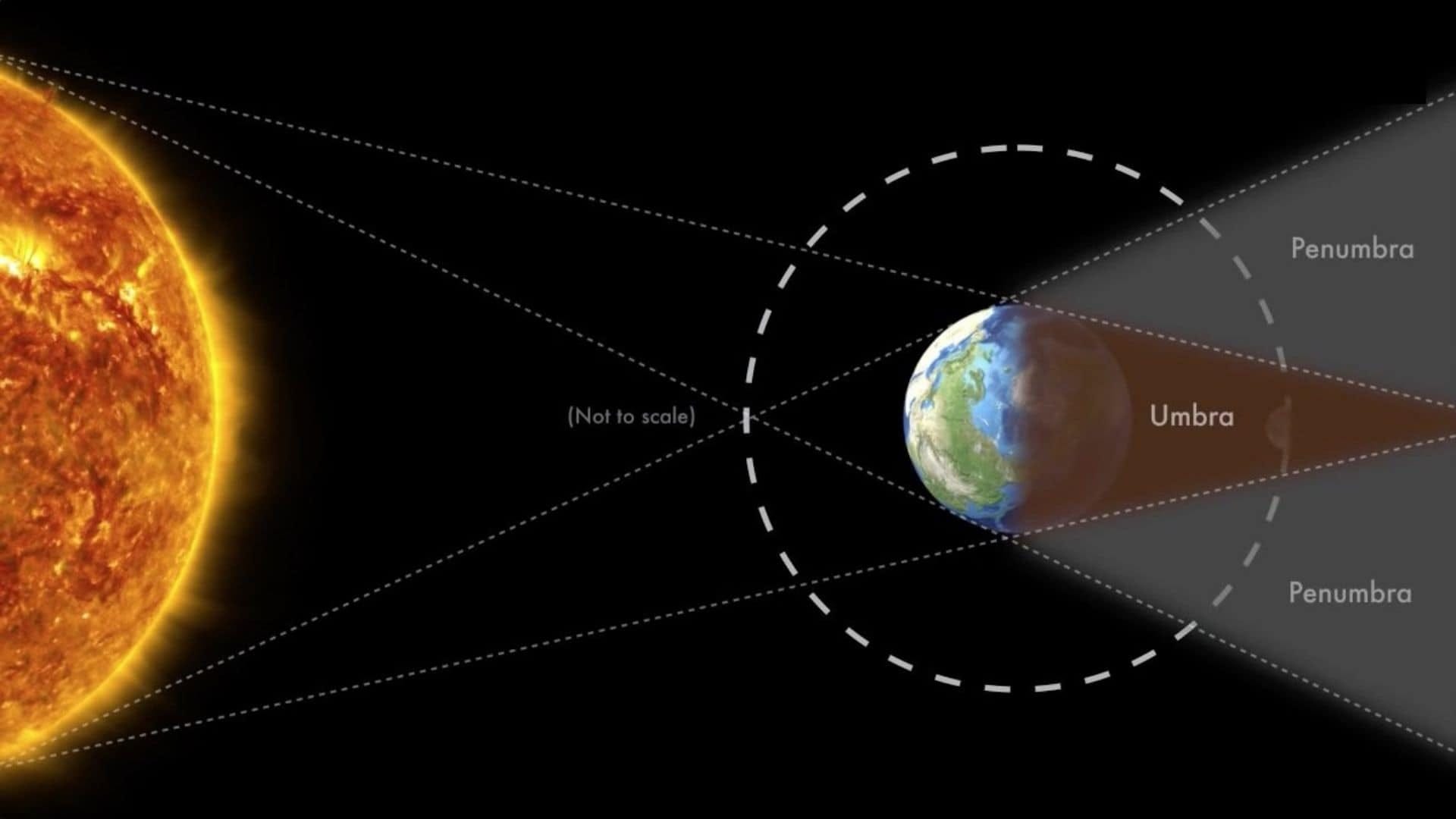
A lunar eclipse happens when Earth passes between the sun and a full moon, casting Earth’s shadow across the moon. As the moon moves through the darkest part of that shadow, called the umbra, it can appear red, a phenomenon commonly known as a blood moon, according to Space.com.
Unlike a solar eclipse, lunar eclipses are completely safe to watch with the naked eye and can last for several hours.
This particular eclipse will span more than five hours overall. The total eclipse, or blood moon, when the moon is fully within Earth’s umbra, will last about 58 minutes. Totality begins at 7:04 a.m. ET, peaks at 7:33 a.m., and ends at 8:02 a.m.
The March Full Moon is called a Blood Moon.
Other names for the March Moon are
Abenaki: moose hunter moon
Arapaho: buffalo dropping their calves
Assiniboine: sore eye moon
Cherokee: strawberry moon
Comanche: cotton ball moon
Cree: Eagle Moon,
Creek: Little Spring Moon
Haida: noisy goose moon
Hopi: moon of the whispering wind
Kalapuya: women dig canas
Lakota: Moon of Sore Eyes
Mohawk: Much Lateness
Omala: Little Frog Moon
Passamaquoddy: Spring Moon
Ponca: Water Stands in Ponds Moon
Potawatomi: moon of the cranes
Pueblo: moon when the leaves break forth
Shawnee: Sap Moon
Shoshone: great warming
Sioux: sore eye moon
Tingit: underwater plants sprout
Wishram: long days moon
Zuni: litte sand storm
Archeo | Native Moons | Western Washington University
Goose Moon, and
Crow Comes Back Moon.
Ojibwe called it the Sugar Moon, after the maple sap which begins flowing in early spring, while the Pueblo poetically dubbed it the Wind Strong Moon, for the season’s typically gusty weather. The less lyrical Sore Eyes Moon was popular with the Lakotas and Assiniboines, who were complaining about the bright glare coming off late winter snows.
The Meaning of March’s Blood Worm Moon, Explaine
March 17: Conjunction of the Moon and Mars
The Moon and Mars will be at conjunction by sharing the same right ascension and passing within 1°32′ of each other.
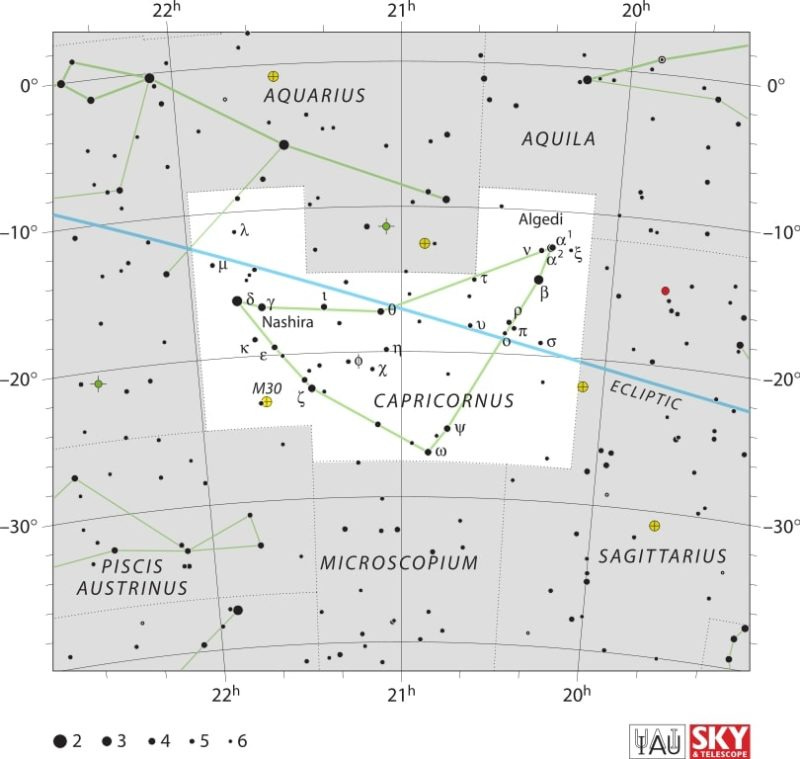
Look for the two bodies in the constellation of Aquarius. The Moon will be at apparent magnitude of -8.2, while Mars will be at magnitude 1.2. (Constellation map already displayed above, when discussing the conjunction of Mars and Mercury on March 14.)
March 18: Comet 88P/Howell at perihelion
The comet 88P/Howell will reach perihelion, meaning it will reach the closest point in its orbit to the Sun at a distance of 1.36 AU.
It will have an apparent magnitude of 9.3 according to the BAA Comet Section. It will be located in the constellation of Capricornus. The Moon will be a 29 days old waning crescent at less than 1% because it will be only a day away from new moon and so won’t be interfering much with stargazing this middle of March 2026.
Stargazing Calendar for March 2026
When Is the Vernal Equinox?
In 2026, the vernal equinox takes place on March 20, signaling the start of spring in the Northern Hemisphere (and fall in the Southern Hemisphere).
The Earth tilts at an angle of 23.5 degrees on its axis relative to its plane of orbit around the sun. As the Earth orbits the sun over the course of a year, different places get sunlight for different amounts of time.
An equinox occurs at the moment when the Earth’s axis doesn’t tilt toward or away from the sun. Someone standing on the equator on an equinox can observe the sun passing directly overhead. Additionally, equinoxes are the only two times a year that the sun rises due east and sets due west.
Six months after the March equinox, another equinox occurs around September 22 or 23 and marks the beginning of fall in the Northern Hemisphere and spring in the Southern Hemisphere. Since the Earth actually takes about 365.24 days to orbit the sun, equinoxes happen around six hours later from year to year, before moving back a day on leap years.
The spring equinox marks the end of winter and the start of spring. It occurs when the sun is right above the equator and the day and night are equally long
CoPilot says
he spring equinox is celebrated worldwide as a time of balance, renewal, and fertility, with traditions ranging from ancient sun rituals to modern festivals like Ostara and Holi.
Ancient and Astronomical Traditions
The spring equinox, occurring around March 20–21 in the Northern Hemisphere, marks the day when day and night are approximately equal, signaling the transition from winter to spring. Ancient cultures built monuments aligned with the sun to mark this celestial event. For example, Stonehenge in England attracts druids and pagans at dawn to watch the sunrise over the stones, while in Ireland, the Loughcrew Megalithic Monument is illuminated by the morning sun. In Egypt, the setting sun aligns with the Great Sphinx and the Pyramid of Khafre, demonstrating the equinox’s significance in ancient astronomy.
Pagan and Celtic Celebrations
In Celtic and Germanic traditions, the equinox is celebrated as Ostara, honoring the Spring goddess and the rebirth of nature. Rituals include planting seeds, symbolizing new beginnings and fertility, and feasting on seasonal foods like eggs, early greens, and herbs. Ostara emphasizes balance, reflecting the equal length of day and night, and encourages personal renewal, goal-setting, and spiritual growth.
Global Cultural Festivals
Japan: The equinox is a public holiday where people honor ancestors by visiting family burial sites.
India and Nepal: Holi, the festival of colors, celebrates spring with vibrant powders, symbolizing joy and renewal.
Slavic countries: Effigies of Marzanna, the goddess of winter, are drowned to mark the end of winter and welcome spring.
Easter and Passover: Many modern spring holidays, including Easter, are influenced by ancient equinox celebrations, reflecting themes of rebirth and renewal
Ostara is a pagan celebration of the Vernal Spring Equinox, which falls on March 21
Don’t get it confused! This celebration shares a name with the Germanic goddess of Spring, Ostara, traditionally called Ēostre by the Anglo-Saxons, who bears a similarity to the Canaanite moon goddess Astarte, all from which we derive the name for the modern celebration of Easter. (Phew – that was a mouthful!)
How To Celebrate Ostara: Spring Equinox Rituals, Traditions & Ideas
I have combined both my own research and some AI so be patient with me.
Happy Ostara. or Easter.
Have a great March.